All work

Case study · 04

Sharara

A marketplace for small local shops, with orders sent on WhatsApp instead of online payments.

In development.

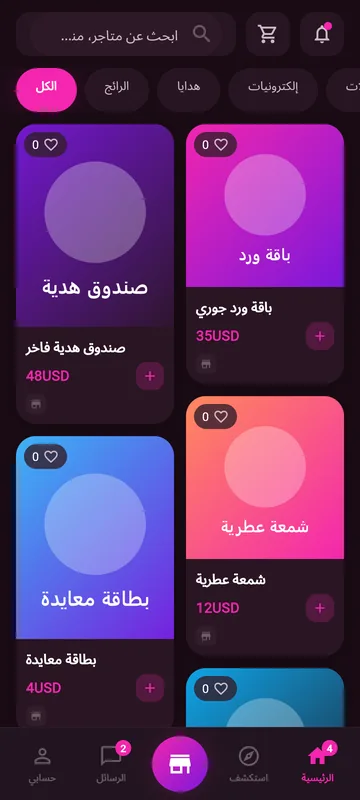
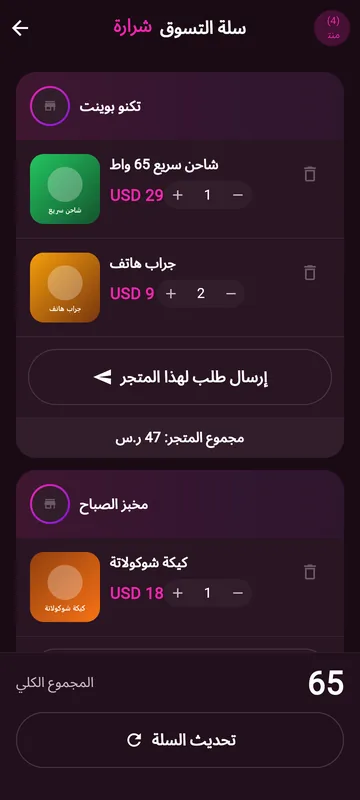
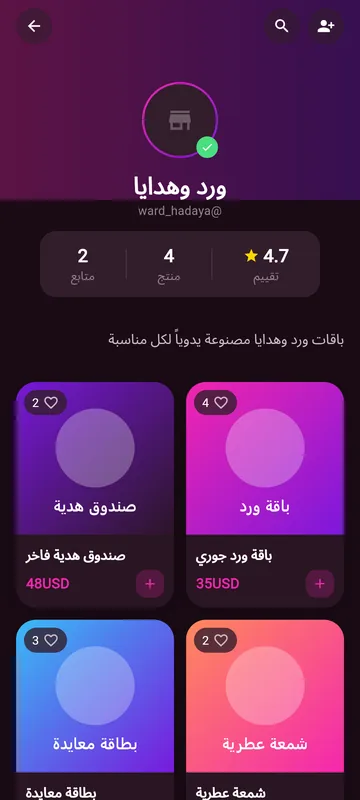
A shop’s storefrontThe home feedA cart with items from two shops
20
Screens
80
API routes
11
Data models
14
Design mockups behind the screens
RTL
Arabic first, dark theme

What it does

Sharara (شرارة) is a marketplace for small businesses: food, gifts, fashion, electronics and services. Owners create shops and add products; customers browse a feed, fill one cart with items from several shops, and send each shop its order.

Instead of online payments, the server stores each order and builds a WhatsApp message to the owner from a template the shop can write in its own words.

  • Customers: a feed of products by category, product pages, shop storefronts, and one cart grouped by shop.
  • Owners: create a shop and add products; orders are stored per shop.
  • Accounts: sign-up with interests, email verification and password reset.
Sign-up with interests
Sign in
The home feed
A product and its shop
A shop’s storefront
One cart, grouped by shop
Profile with orders

How it’s built

The Flutter app is Arabic-first and right to left, with about 20 screens built with GetX from a set of HTML design mockups, one colour and type system for all of them. The backend is Node.js and Express with MongoDB.

  • Orders: each shop’s part of the cart becomes an order inside a database transaction, so the cart and the order can’t drift apart.
  • Security: access and refresh tokens, lockout after five wrong passwords, tiered rate limits, and owner-only checks on shops, products and orders.
  • Feed: products scored by likes, views and freshness, with a bonus for the user’s interests.
  • Flutter
  • Dart
  • GetX
  • Node.js
  • Express
  • MongoDB
  • Socket.IO
  • JWT
  • Arabic RTL

Engineering stories

Checkout without payments

Many small businesses want an online shop without setting up card payments. The server turns each order into a WhatsApp message from the shop’s own Arabic template and stores the order in a transaction, so the owner gets a ready message and a record.

A security pass after the first build

After the first version I added refresh tokens with a blacklist, a lockout after five wrong passwords, tiered rate limits, owner-only checks and authenticated sockets. Testing it end to end also found what was still broken, which is the next thing to fix.

Where it stands

Sharara isn’t finished. The app and the API still disagree on some response formats, the shop dashboard isn’t linked in the navigation yet, and the app doesn’t open the WhatsApp message yet. Screens with placeholder content (analytics, reviews and messages) are left out of this page. Closing those gaps is the next milestone.

Next projectSSociety

↑↓ move · Enter open · Esc close